
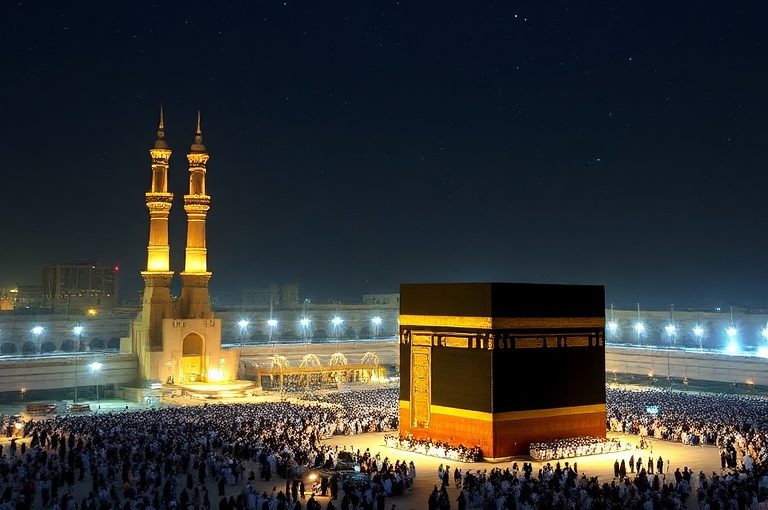
The Pinnacle of Devotion: Understanding the Day of Arafah for Hajj 2026 and Beyond with Pan Pakistan Travels!
As the sacred month of Dhul Hijjah unfolds, the Day of Arafah emerges as its most profound and spiritually charged moment. This pivotal day, which falls on the 9th of Dhul Hijjah, marks the pinnacle of the Hajj pilgrimage, bringing millions of pilgrims to the plains of Mount Arafat in a powerful display of devotion and unity. At Pan Pakistan Travels, we recognize that the significance of the Day of Arafah extends far beyond those performing Hajj, offering immense spiritual blessings and opportunities for spiritual growth to Muslims worldwide.
This comprehensive guide delves into the deep spiritual importance of the Day of Arafah. For pilgrims, it is a day of intense prayer, supplication, and seeking forgiveness, as they stand from noon until sunset on Mount Arafat, dedicating themselves entirely to Allah. This experience is considered the essence of Hajj, and missing it invalidates the pilgrimage. We’ll explore the rituals observed by pilgrims, highlighting the profound humility and devotion that characterize this central rite.
For Muslims not undertaking the Hajj, the Day of Arafah remains a day of immense blessing and a powerful opportunity for spiritual connection. Fasting on this day is a highly recommended Sunnah (practice of Prophet Muhammad PBUH) that is believed to expiate the sins of the preceding and coming year. Beyond Islamic fasting, we encourage all Muslims to increase their acts of worship, engage in fervent supplication (Dua), recite the Quran, and reflect on their faith and purpose. This blog will provide practical advice on how to observe the Day of Arafah from home, ensuring you can partake in its spiritual rewards.
We will also touch upon the historical and religious narratives associated with Arafat, offering insights into why this particular location holds such a revered status in Islam. Understanding these stories enriches the spiritual experience, fostering a deeper appreciation for the traditions observed on this day. As the Day of Arafah transitions into Eid al-Adha, it sets the stage for a period of joyous celebration, sacrifice, and community bonding. We emphasize the connection between the spiritual preparations of Arafah and the festive spirit of Eid, guiding you through making the most of both occasions. Let Pan Pakistan Travels be your companion in understanding and embracing the spiritual grandeur of the Day of Arafah, allowing you to connect with its profound blessings and draw closer to your faith, whether you are on the holy plains or in the comfort of your home. This day is a reminder of mercy, forgiveness, and the boundless love of Allah, an experience that truly transforms the heart and soul.
What is the Day of Arafah? The Heart of Dhul Hijjah
The Day of Arafah falls on the 9th day of Dhul Hijjah, the twelfth and final month of the Islamic calendar. Its significance is immense, not only because it is the central pillar of the Hajj pilgrimage but also due to the immense spiritual blessings associated with it for all Muslims, whether they are on the plains of Mount Arafat or observing it from home.
It is the day when pilgrims gather on the plains of Mount Arafat, near Makkah, from noon until sunset, dedicating themselves entirely to prayer, Dua, and reflection. This standing (Wuquf) in Arafat is so crucial that the Prophet Muhammad (PBUH) famously said, “Hajj is Arafah.” Missing this specific ritual invalidates the entire Hajj.
For Pilgrims: The Pinnacle of the Hajj Pilgrimage
For the millions undertaking the Hajj pilgrimage, the Day of Arafah is the most anticipated and transformative day of their entire spiritual journey. It is a time of profound devotion, humility, and supplication.
- Standing on Mount Arafat (Waqfat Arafat): From Dhuhr (noon) prayer until sunset, pilgrims stand or sit on the vast plains and slopes of Mount Arafat. Their hearts turn solely to Allah (SWT), seeking His mercy, forgiveness, and blessings. Dressed in simple Ihram attire, pilgrims from all walks of life are united in their humility before God.
- Intense Prayer and Supplication (Dua): This is a day of fervent Dua. Pilgrims raise their hands, pouring out their hearts to Allah, confessing sins, and asking for everything they desire in this life and the Hereafter. It is believed that Dua made on the Day of Arafah is most likely to be accepted.
- Seeking Forgiveness: The Day of Arafah is a potent reminder of the Day of Judgment. Pilgrims reflect on their lives, repent for their wrongdoings, and seek Allah’s boundless forgiveness. The atmosphere is charged with sincerity, hope, and tears of repentance.
- The Essence of Hajj: The Prophet Muhammad (PBUH) declared, “Hajj is Arafah.” This statement underscores the centrality of this ritual. A Hajj without standing in Arafat is incomplete and invalid.
- Profound Humility: In the scorching sun, with millions around, all dressed identically, the experience of Arafat strips away worldly distinctions, fostering profound humility and a deep sense of equality among all Muslims.
- Reference: For a step-by-step guide to the Hajj rituals, including the significance of Arafat, a reliable source like Hajj and Umrah Guides by Dar El Salam provides detailed information.
For Non-Pilgrims: Immense Spiritual Blessings at Home
The immense spiritual blessings of the Day of Arafah are not exclusive to those on pilgrimage. Muslims around the world can partake in its rewards, making it a day of significant devotion and spiritual growth from the comfort of their homes.
1. Islamic Fasting: Expiation for Two Years
- Highly Recommended Sunnah: Fasting on the Day of Arafah is a highly recommended Sunnah, though not obligatory. The Prophet Muhammad (PBUH) said, “It expiates the sins of the preceding year and the coming year.” (Muslim) This is an incredible opportunity for spiritual cleansing and seeking forgiveness.
- Note: This Islamic fasting is recommended for non-pilgrims. Those performing Hajj are advised not to fast on the Day of Arafah to conserve energy for the rigorous rituals.
2. Increased Worship and Dua:
- Fervent Supplication: Just like the pilgrims on Mount Arafat, Muslims at home are encouraged to increase their Dua (supplication) on this day. The Prophet Muhammad (PBUH) said, “The best Dua is the Dua of the Day of Arafah.” (Tirmidhi)
- Recommended Dua: The most commonly recommended Dua on this day is: “Laa ilaaha ill-allaahu wahdahu laa shareeka lah, lahul-mulku wa lahul-hamdu, wa huwa ‘alaa kulli shayin qadeer” (There is no god but Allah alone, He has no partner. To Him belongs the dominion and to Him belongs the praise, and He is over all things competent.)
- Quran Recitation: Dedicate extra time to reciting the Holy Quran, pondering its meanings, and seeking guidance.
- Dhikr (Remembrance of Allah): Engage in abundant remembrance of Allah (SWT) through various forms of Dhikr, such as “SubhanAllah,” “Alhamdulillah,” “Allahu Akbar,” and “La ilaha illallah.”
- Reflection on Faith and Purpose: Use this blessed day for introspection. Reflect on your relationship with Allah (SWT), your life’s purpose, and how you can improve your spiritual journey.
Practical Advice for Observation at Home:
- Set Intentions Early: Formulate your intention to fast (if applicable) and dedicate the day to worship from the night before.
- Plan Your Day: Create a schedule that allows for extra time in prayer, Dua, and Quran recitation, minimizing worldly distractions.
- Stay Hydrated (if not fasting): For those not fasting, especially in hot climates, ensure adequate hydration.
- Connect with Family: Encourage family members to observe the day together, fostering a collective spirit of devotion.
Historical & Religious Narratives: The Roots of Arafat Day Significance
The profound Arafat day significance is deeply embedded in pivotal moments of Islamic history. Understanding these narratives enriches the spiritual experience, fostering a deeper appreciation for the traditions observed on this day.
- Reunion of Adam and Hawa (Eve): According to some Islamic traditions, Mount Arafat is believed to be the place where Adam (AS) and Hawa (AS) reunited after being expelled from Paradise, after years of separation and repentance.
- Prophet Ibrahim’s (AS) Vision: It is also believed that on this day, Prophet Ibrahim (AS) saw the vision instructing him to sacrifice his son, an event that led to the ritual of Qurbani and ultimately Eid al-Adha.
- Prophet Muhammad’s (PBUH) Farewell Sermon: Most significantly, it was on the plains of Arafat, during his Farewell Pilgrimage, that Prophet Muhammad (PBUH) delivered his final sermon. This sermon laid down fundamental principles of justice, equality, and human rights in Islam, serving as a timeless guide for the Muslim community.
- Reference: For the text and context of the Farewell Sermon, numerous Islamic historical resources and scholarly works are available, such as Sunnah.com’s compilation of the Farewell Sermon.
These historical anchors imbue the Day of Arafah with layers of meaning, transforming it into a powerful symbol of repentance, guidance, and spiritual renewal for all.
Transition to Eid al-Adha: From Devotion to Celebration
As the sun sets on the Day of Arafah, signaling the end of the standing ritual for pilgrims and the fasting for non-pilgrims, it ushers in the joyous night of Eid al-Adha. The intense devotion and spiritual preparations of Arafah set the stage for a period of festive celebrations, sacrifice, and community bonding.
- Eid al-Adha is celebrated on the 10th of Dhul Hijjah.
- It begins with Eid prayers and is marked by the ritual of Qurbani.
- The three days of Eid are filled with family gatherings, feasts, exchange of Eid wishes, and charitable acts, embodying the spirit of sharing and joy.
This transition from profound spiritual introspection to joyous communal celebration reflects the balanced beauty of Islam, where devotion is rewarded with festivities.
Pan Pakistan Travels: Your Companion on Your Faith Journey
At Pan Pakistan Travels, we are dedicated to ensuring that your Hajj 2026 is not only smooth and comfortable logistically but also deeply meaningful and transformative culturally and spiritually. We believe that by understanding and embracing the deeper dimensions of the Day of Arafah, your pilgrimage experience will be an unforgettable chapter in your faith journey.
For those planning to embark on religious travel or Islamic travel for Hajj, our services include:
- Reliable Hajj Packages: Comprehensive packages covering visas, flights, accommodation in Makkah and Madinah, and experienced guidance.
- Pre-Departure Briefings: Detailed sessions that include insights into the spiritual importance and rituals of the Day of Arafah, ensuring full preparedness.
- 24/7 Support: Continuous assistance throughout your pilgrimage, providing peace of mind.
For all Muslims, we aim to provide resources and understanding that help you connect with the immense spiritual blessings of this sacred day, wherever you may be.
Conclusion: A Blessed and Transformative Eid al-Adha 2026 Awaits!
The Day of Arafah is a jewel in the crown of Dhul Hijjah, offering unparalleled spiritual blessings and a profound opportunity for devotion and spiritual growth. Whether you are among the millions on Mount Arafat or observing this blessed day through Islamic fasting and fervent Dua from home, its significance touches every Muslim heart.
As we approach Eid al-Adha 2026, let us embrace the essence of the Day of Arafah – a day of mercy, forgiveness, and the boundless love of Allah. Let it be a reminder to deepen our faith journey, strengthen our bonds within the Muslim community, and dedicate ourselves to acts of compassion and generosity.
Pan Pakistan Travels is your companion in understanding and embracing the spiritual grandeur of the Day of Arafah, allowing you to connect with its profound blessings and draw closer to your faith.
Contact Pan Pakistan Travels today to learn more about our Hajj 2026 packages or for more resources on embracing this blessed time. May Allah (SWT) accept our prayers and grant us all profound spiritual growth. Eid Mubarak!